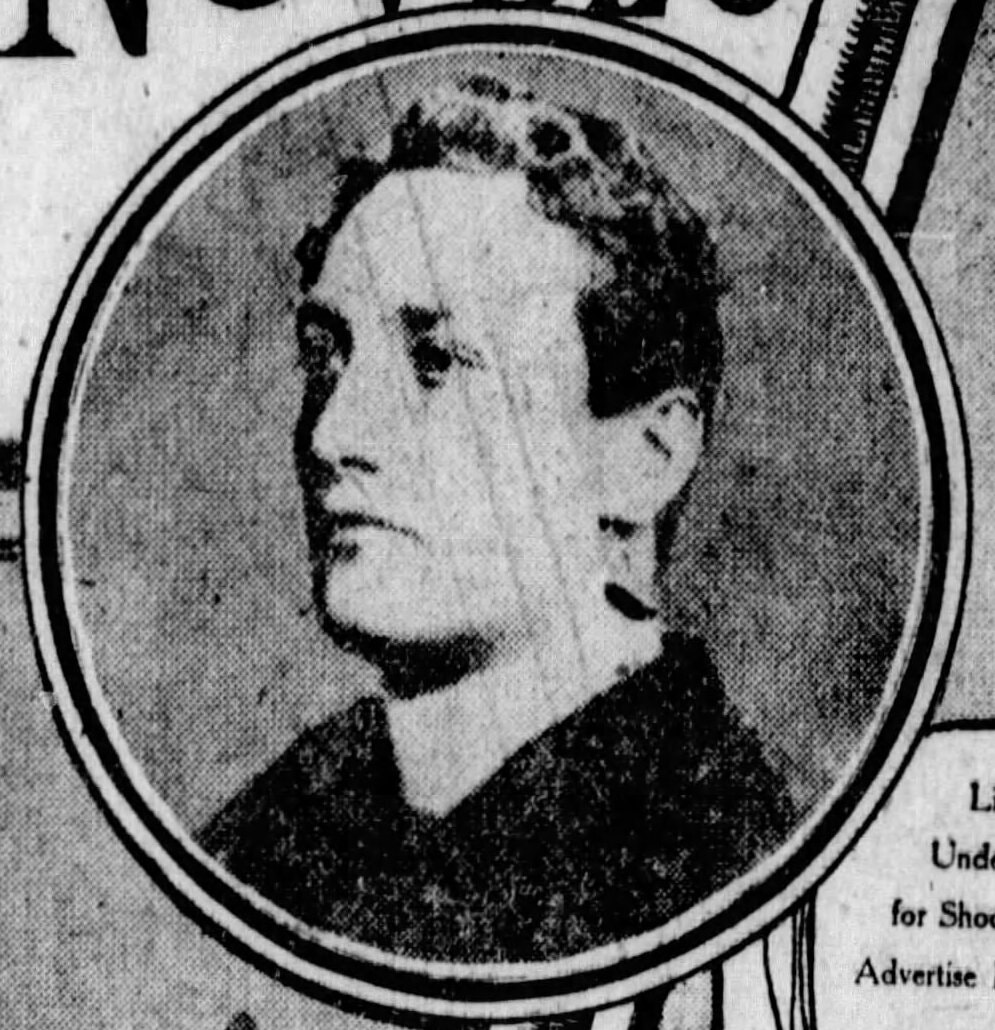
 At 9.30am on September 25, 1905, Edward Lionel Terry walked into the Wellington police station and turned himself in for murder.
Police were already well into the investigation of the murder of Joe Kum Yung - who had been shot in Wellington’s Haining St the day before. Why anyone would want to kill Yung was not obvious. He was nearly 70, and had lived in New Zealand for close to 30 years and was a retired miner. He was also broke, so it wasn’t over money. But when Terry, a tall, well dressed young man, came forward the pieces began to fall into place. Terry was known for his anti-Asian stance. He had published a booklet called The Shadow that had been criticised for its writings and embarked on a walk of the country to raise awareness of his racist views, to the point where he refused to eat fruit and vegetables grown by them.. Terry had been born in Sandwich, Kent on January 6, 1873, the son of Edward and Frances Terry. He had worked for the West Indies Gold Mining Corporation then joined the Royal Regiment Artillery in 1892. After being discharged he worked around South Africa, America, Canada and Australia. He served in a mounted police brigade in Bulawayo, Rhodesia, fighting against the Matabele in the Second Matabele War, taking part in fifteen engagements and being wounded twice. In Canada he was the secretary of a miner's union, and was outraged at how the Premier of British Columbia, James Dunsmuir, who was also a mine owner, hired Chinese labour for low wages in preference to Caucasians and was also angered by the mine owners in South Africa importing Chinese coolies to work for low wages. When he came to New Zealand Terry worked for the Department of Lands and Survey in Auckland, before trying to establish a horticultural market garden north of there. He went back to the Department of Lands and Survey as a surveyor, based in Mangonui, Northland in 1905. If he had been hoping to attract followers to his cause with the murder, he failed. The public was appalled. Yung was old, had a permanent injury and limp and no threat to anyone. Outside the Supreme Court on the day of the trial, crowds gathered. Inside Terry said his action was right and justifiable. He refused to use a lawyer. The trial was actually brief since he had admitted the murder but he used the opportunity to rail against the Chinese witnesses and to tell people he was quite sane. Terry said it was a disgrace that Asian immigrants were coming to New Zealand and he was convinced of a need to separate the races. It took the jury about 40 minutes to find him guilty and to recommend mercy since they believed his hatred made him crazy - since the only sentence available was death. Even with that sentence hanging over him, prison authorities considered him mad and his sentence was commuted to life. Terry spent the rest of his life in Lyttelton prison, then Sunnyside hospital before ending up in Seacliff mental hospital. He escaped from Sunnyside twice before he was taken to Seacliff where he remained, painting and gardening before dying on August 20, 1952. Usually we tell you where someone is buried. But murderers are often in unmarked graves, and with Seacliff there is an extra issue - many were buried in mass graves either at the hospital or even in other graveyards. And the Chinese community of Wellington gathered to send Yung back to China for last rites and traditional burial.
0 Comments
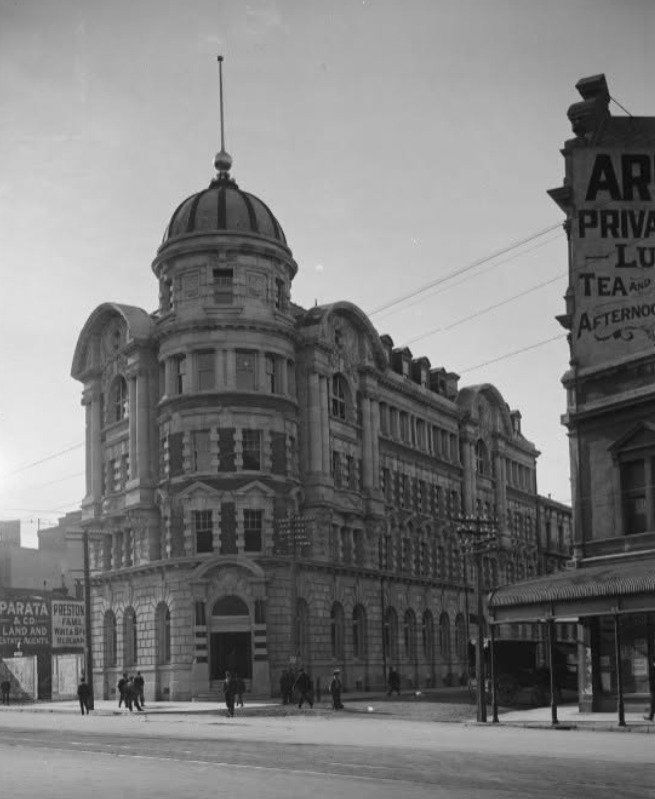 There are monuments to John Campbell all over New Zealand but no place more so than Wellington.
The beautiful and now fully restored Public Trust building, Government House and the Dominion Observatory in the Botanic Gardens are all his, as is the Ashurst Post Office, Hokitika customhouse, Dunedin Prison, the old Porirua Mental Asylum, Dunedin law courts along with government buildings all over the country. There is a look - the Edwardian baroque - with arches over windows and colonnades. Campbell was the first person to hold the position of Government Architect. He was born to Janet and Donald Campbell in Glasgow, Scotland on July 4, 1857 where he was educated at the Glasgow School of Art before taking up an apprenticeship as a draughtsman or architect under John Gordon from whom he got a solid education. In 1882 he came to New Zealand where he worked for the firm of Mason and Wake in Dunedin before joining the office of Public Works. Ironically, the first thing he designed to be built was a train station in Porirua - it never got built. But his other early works like the Dunedin prison and the mental asylum in Porirua were. In 1888 he transferred to Wellington and became draughtsman in chief of public works in the newly created Public Buildings Department. He oversaw 10 others who between them created most of the public works buildings, many of which are still around today. Campbell developed a plan for post offices, one was a two-storeyed block while the other was a block with a clock tower. In 1904, he designed and built the Wallaceville Animal Research Centre in Wallaceville in Upper Hutt. When fire destroyed the old Parliament buildings in 1907 he worked on two designs, for Government House and a new Parliament building. It was often considered the height of his career to win the commission in 1911 to build Parliament House in Wellington. At the time it was considered the most ambitious architectural project in the country. His position was officially changed to that of architect in 1899 and he was later elected a fellow of both the New Zealand Institute of Architects and the Royal Institute of British Architects. He was given the title of “Government Architect” in 1909 and held it until his retirement in 1922. Campbell married Mary Jane Marchbanks in 1889 in Dunedin. He was also a keen yachtsman and amateur landscape painter. Once retired, he helped found the Architectural Students Association in Wellington. For all that his buildings could be considered very grand, Campbell himself was considered a quiet and unassuming man. Campbell died in Wellington on August 4, 1942 and is buried in Karori Cemetery. Photo from Te Papa. 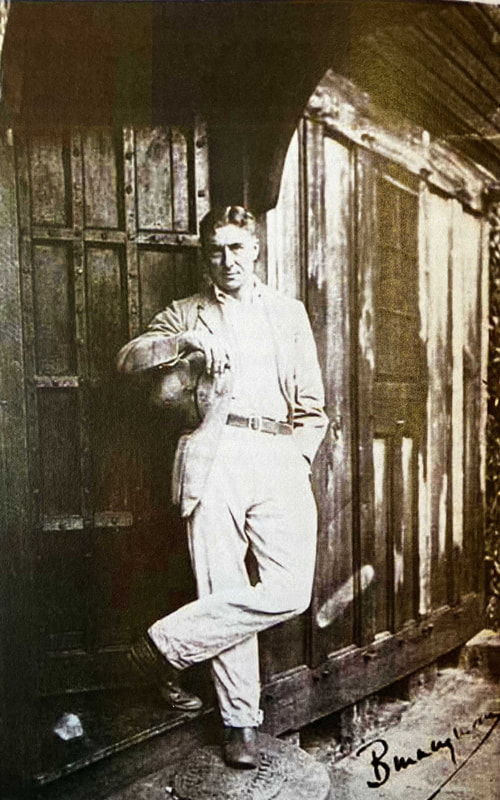 Ewart Scott Grogan met Gertrude Watt in New Zealand and fell in love.
But it wasn’t as easy as that. Her father wasn’t impressed and didn’t think he was the sort of man who had proved himself. So Grogan set out to do just that in spectacular fashion. Grogan had been born in 1874 to William and Jane in England - and was the first of 21 children. He initially went to Cambridge University but dropped out to fight in Zimbabwe’s war of independence on the British side. It was after that he came to New Zealand and met Gertrude, a Kiwi who was born in Harvest Bay. And with his future love on the line, Grogan said he would become the first man to make the Cape-to-Cairo journey. He travelled to Cape Town to start - at age 24 - and it took him two and a half years. During his travels, Grogan had been stalked by lions, hippopotamuses and crocodiles; pursued by headhunters and cannibals; and plagued by parasites and fevers. He returned home a popular sensation. He was then made a Fellow of the Royal Geographical Society and met Queen Victoria. He wrote a book about his journey From the Cape to Cairo; the First Traverse of Africa from South to North. And he got to marry Gertrude in England in 1900. They went to Kenya in 1904 and travelled to Nairobi where he became a settler in the Kenyan community and made a series of real estate purchases and began looking for business opportunities. Grogan became involved in what became known as the Nairobi Incident when his sister and a friend alleged being shamefully treated by three rickshaw drivers and he punished the men by publicly flogging them. It was internationally reported including that one of the men had been killed, although that was untrue. He and two other men were tried and convicted. He went to prison for a month and was fined. He continued his business interests and helped build the first deep water harbour in Mombasa. He reported for duty during the Second World War and was appointed Belgian liaison officer and carried out reconnaissance across the Congolese border. Later in the war he was promoted to lieutenant-colonel and put in charge of three prisoner of war camps in Gilgil and Nairobi. His business interests included a hotel, ranches, a saw mill, a rice mill and a coffee farm. In 1943, Gertrude died from a heart attack and Grogan, founded the Gertrude's Garden Children's Hospital in her memory. He died in 1967 and is buried in the Maitland Cemetery in Cape Town.  What flavours of ice cream do you miss?
The world’s favourite flavour is vanilla - but in New Zealand hokey pokey takes second place. Some of the ones we loved are long gone now. Think Goody Goody Gum Drops with its lollies and half banana half chocolate Monkey Business. Ice cream has been one of our favourite treats almost since the beginning. And one of the characters was a chap called Ice-Cream Charlie who sold his icy goodies from a cart in Christchurch’s Cathedral Square. But his name wasn’t Charlie at all. It was Sali Mahomet. He had said on legal documents that he was born in Ceylon and to others that he was Punjabi but it’s uncertain what is true. He and his father had come to New Zealand via Australia, arriving in 1894. They sold things - using Dunedin as a base and travelling, usually on horseback - they offered various household items around the bottom of the South Island. But a riding accident left Sali with a limp and might have been the start of him thinking of a less demanding job. Which led him to making and selling ice cream in Christchurch. He had a cart built and painted it red and white and rented a shop where he made ice cream from a recipe he had bought. It was in Christchurch he met 19-year-old domestic servant Florence Henrietta Johnstone and they married at a registry office. It was a daring thing - to marry a man who was so different - interracial marriages would have been viewed with suspicion. They had four daughters - all of whom were considered great beauties. In business Sali became more and more successful. He was able to leave the rented shop he used and buy his own premises in Caledonian Road, building a shop and home of kauri with a bay window and engraved roses on the ceiling. HIs diary was set up in an outhouse structure where he ran a lead to get electricity. To make it, he had to bring in massive blocks of ice - each one 45kgs - from the Canterbury Frozen Meat Company. He would break them up himself with a mallet, breaking them down so the ice cream could be kept cold. For 10 months of the year he sold ice-cream and could be said that his appearance was the start of summer. The flavours he made came from the syrups made by wholesale druggist H F Stevens - pineapple, strawberry, raspberry and orange and the vanilla Sali imported himself. He was popular - with many people turning up at his cart with billys or preserving jars to buy it. But he was also subject of attacks, labelled a Turk during World War One when people were frightened by anything exotic. It wasn’t until the 1930’s that he took on a helper, a lad who worked until he went off and was killed during the second World War. In 1940 he retired - selling off his business and chattels including his iconic cart and asked the council to consider granting a licence to whoever took over the business. He suffered a stroke in 1943 and then next year entered the Old Men’s Home in Ashburton before having a second stroke. He is buried in the Linwood Cemetery. With thanks to Christchurch City Library. Photo by Dovile Ramoskaite. 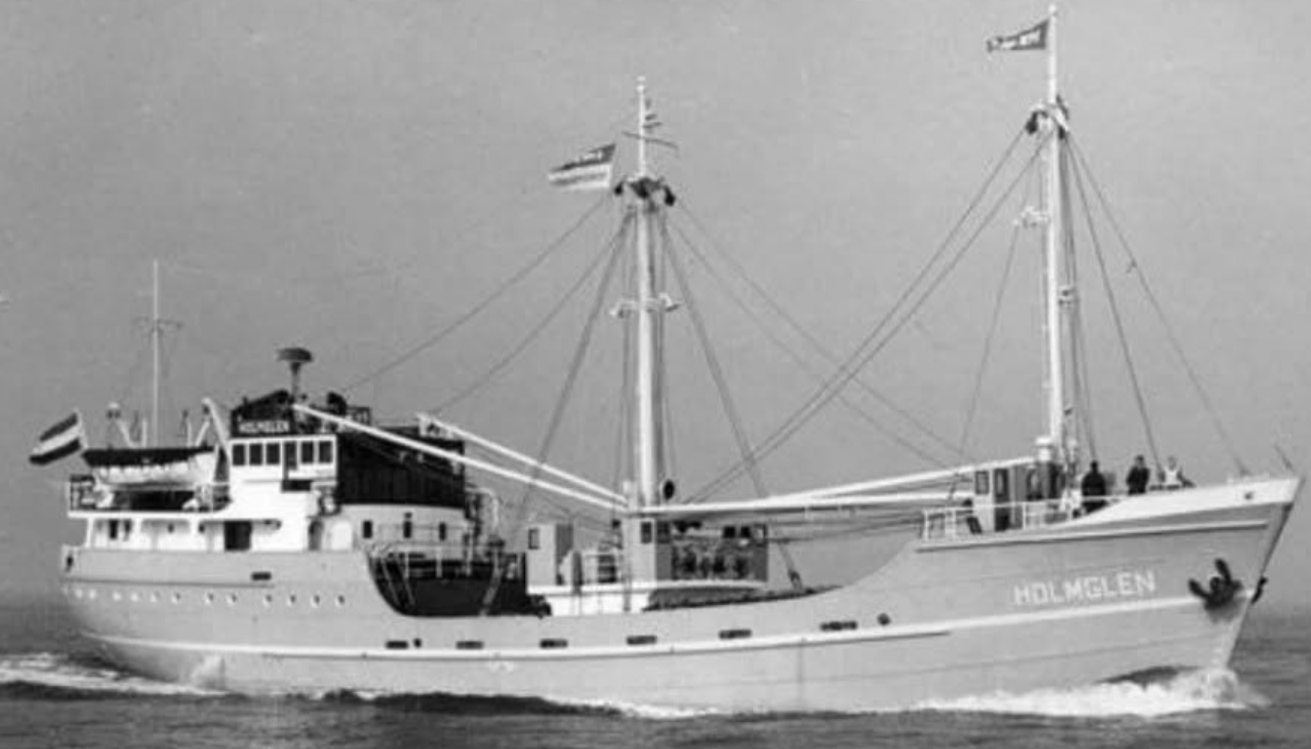 On November 24, 1959, a mayday message was sent from 485-ton coastal freighter Holmglen travelling between Oamaru heading to Whanganui.
It was received by the Taiaroa Head Signal and Radio Station and also by Awarua Radio ZLB and Wellington Radio ZLW on 2182kHz. A voice, believed to be the captain, gave the ship’s position as 44° 35′ South, 171° 37′ East, and reported: “am heeling heavily to port … accommodation awash … preparing to launch boat.” Taiaroa answered and were told by the Holmglen to stand by for further information but nothing was ever heard again. On board were 15 crew, all of them died. Air and sea searchers rushed out to the last known location but they initially only found a large oil slick and floating debris. A further search found three bodies and an upturned lifeboat. The final resting place of Holmglen is 6-7 miles northeast of this position and 22 miles east-southeast of Timaru. Taiaroa Head, where the distress message was received, is 20km northeast of Dunedin. The ship was only three years old so the mystery was why had a new ship with an experienced crew sink? The ship had left Dunedin and stopped at Oamaru, taking on more cargo. It left the same day and the next thing that was known was the mayday call. Two naval survey ships responded and by early morning 17 ships had answered the emergency call for help. A couple of ships who found the oil slick used echo sounders and believed the Holmglen had sunk. The debris was found later in the morning including one of the lifeboats. Two bodies were recovered, James McEwen and Sydney McKenzie. As the weather got worse the search was abandoned. In the following days another lifeboat was found then a third body, that of Wilfred Henry Harding. A Court of Inquiry was unable to establish the cause of the tragedy. The Holmglen was only three years old and was not overloaded. There was no engine explosion, collision or striking of rocks. Although the weather at the time was poor, with a southerly wind and moderate to rough seas, it should not have troubled a vessel of its size. It certainly did not stop other ships responding to the call for help. There was speculation that shifting deck cargo, or some other instability, caused the ship to suddenly heel but to this day, the cause is unknown. On board was Master Edward Joseph Eugene Regnaud, Chief Officer Keith Douglas Billinghurst, Second Officer Keith lawdon (or Lawton) Barker, Chief Engineer Ronald Foster. Second Engineer Alexander James Wolgast, Third Engineer Wilfred Henry Harding, Able Seamen Sydney McKenzie, John Cleary, Derek Whorlow, Henry Weatherley Weatherley and Alfred Pemberton, Ordinary Seaman Garry Joseph Boyce, Cook: Joseph Anson, Steward: Aubry Shepherd McClelland and wiper James McEwan James McEwan (of Timaru) and Sydney McKenzie (of Glasgow) were buried side by side in the lawn cemetery in Timaru and Wilfred Harding (of Mangakino) was buried in Greymouth. An examination of the wreck by divers and a remotely operated underwater vehicle in 1999 failed to shed any further light on the loss of the ship. In 2008, another life was lost when divers went to the wreck of the Holmglen to retrieve its bell. After diving and beginning for the surface, the bell dropped dragging the ascent line with it. The divers got clear but Kevin Bailey disappeared from sight shortly after. His body was found days later. 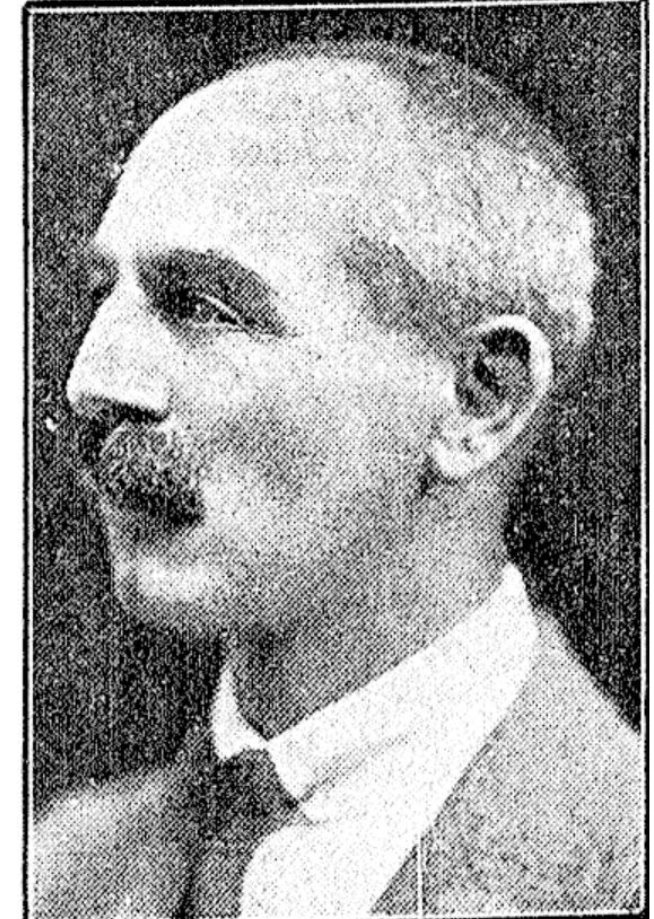 The story of Charles Mackay is odd to say the least, firstly an honoured mayor, then convicted of attempted murder then killed as part of a communist riot.
Charles Ewing Mackay was born in Nelson on June 29, 1875, to Jessie and Joseph Mackay. Joseph was headmaster of Wellington College for 10 years and Charles also attended the school. He went on to Canterbury College then to university and obtained a Bachelor of Arts then a Bachelor of Laws going on to be admitted to the bar as a lawyer. Charles started his own law firm in Whanganui and also began a career in politics joining the Mataongaonga Road Board and then the Whanganui Borough Council. He was elected mayor of Whanganui for two separate terms. He helped establish the Sarjeant Gallery. Charles was a somewhat controversial mayor - his projects were ambitious and often far sighted but also expensive. He wanted an electric tramway and new roading along with bridges built. During the First World War he suffered the first hit to his reputation for not serving. In 1920, he met Walter D’Arcy Cresswell - a poet and writer - who was visiting relatives in Whanganui. It would be his downfall. Five days after they met Cresswell was shot in the chest and injured by Mackay. Cresswell alleged that Mackay had made homosexual advances to him and that he had led him on to get evidence and wanted him to resign the mayoralty. Mackay was arrested and charged with attempted murder which he pleaded guilty to before a packed courtroom then was sentenced to 15 years hard labour by Sir Robert Stout, the chief justice. His wife, Isobel Mary Agnes Duncan, divorced him and on his release from prison in 1926 he went to England where he worked as a journalist for the Sunday Express. He was released early on the understanding that he left New Zealand. In 1929, he was working in Berlin, covering the street battles between communists and police when he was shot dead by a police officer who thought he was one of the communists. The German Foreign Office expressed regret for the shooting. It’s unclear now exactly what happened between Mackay and Cresswell. It was mostly likely Mackay was a closeted gay man (even with a wife and three children) and it’s possible he wanted to silence Cresswell to protect his life - which he ended up losing anyway. Now, in a more modern age, he would likely have lived a very different life. Mackay is buried in Friedhof Priestereg cemetery in Berlin, Germany. 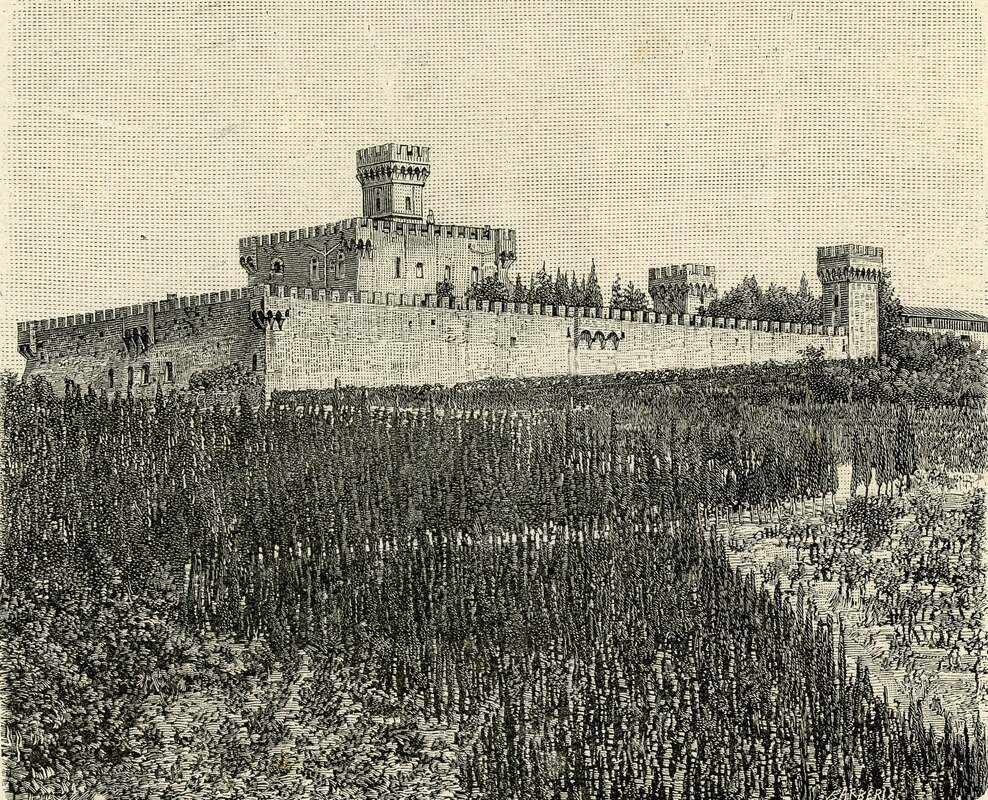 It took five months to dig the tunnel, but for two New Zealand soldiers it was their way to escape a prisoner of war camp called Campo 12.
Brigadier James Hargest and Brigadier Reginald Miles used a kitchen knife and iron bar to dig beneath the walls of Castle Vincigliata near Florence in Italy in 1943. It was a huge task using very little with so much at stake. In late March of 1943, the two men and four others used the tunnel to reach a deserted chapel from which they were able to leave. It was the beginning of the journey though - both men made their way to neutral Switzerland. From there they had to get to England and took different routes. Miles made it to Figueras near the Spanish border before he unfortunately killed himself. Hargest used the French Resistance to go through France to Spain reaching the British Consulate in Barcelona then was flown to England. The trip had taken the better part of a year. Hargest was born to Mary and James Hargest in Gore on September 4, 1891 where he went to school before joining his father in farming. He was a member of the Territorial Force before volunteering for service with the New Zealand Expeditionary Force in 1914. James was seriously wounded at Gallipoli and nearly a year later rejoined the 1st Battalion of the Otago Infantry Regiment in France in July 1916. He was considered a promising officer, attained the rank of major and was awarded the Military Cross. In Hampshire, he married Marie Wilkie in 1917 and went on to have three sons and a daughter. He continued to serve, was awarded a DSO, the Croix de chevalier and Legion d’honneur. Marie herself was awarded the Royal Red Cross as a nurse. They returned to New Zealand in 1919. He bought a farm and became interested in politics, taking the Invercargill parliamentary seat in 1931 before taking the seat of Awarua in Southland which he held until his death and was considered a leading figure in the National Party’s founding. With the outbreak of the Second World War he sought a post but a medical board found he was still suffering from shell-shock. He asked the Prime Minister at the time Peter Fraser to intervene and he was given the command of the 5th New Zealand Infantry Brigade and promoted to brigadier in Egypt. James was captured in November 1941 when his headquarters were overrun. It was then he was taken to Italy to Campo 12, a special high-security camp for officers. During his recuperation in England after the escape he wrote a book Farewell Campo 12. James then became an observer to the preparations to D-Day and spent a lot of time near the front line. He was wounded in June then on August 12, 1944 he was killed by shellfire during the Battle of Normandy - escaping a prison camp only to die in action. He is commemorated in James Hargest High School in Invercargill. James is buried at the Cassino War Cemetery in Italy. 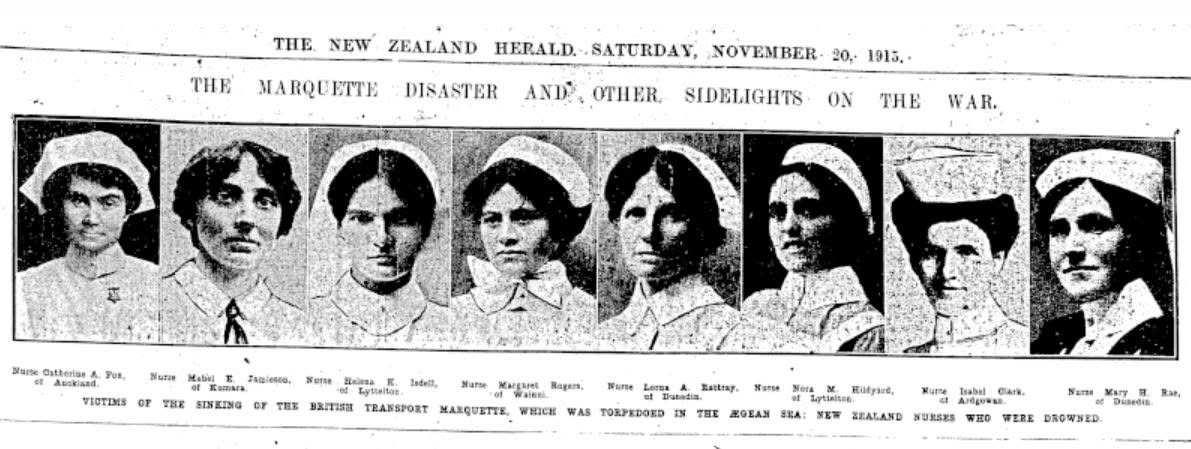 The loss of the ship Marquette in World War One was always going to be a tragedy but for New Zealand it was devastating.
The Marquette was a British transport ship on the way to Salonika (Thesaloniki) on October 23, 1915, when it was sunk by a German Uboat. On board were 36 nurses plus eight officers, nine non-commissioned officers and 77 orderlies of the New Zealand Medical Corps. Earlier in the month they had been in Alexandria before being ordered to pack up and leave, going to support French and British forces. Also onboard were the 500 men and officers of the ammunition column of the British 29th Division, plus 500 mules, some horses and many wagons loaded with ammunition. Crucially the troop ship was not marked with the Red Cross that would have given them a measure of protection. Just before the ship was due to arrive, its escort (and protection) was called off. Just after 9am on October 23, some of the nurses were walking on the deck when they saw something in the water. It was a torpedo and it struck forward on the right side of the ship. Well trained, those on board hurried to grab their life jackets and went to the lifeboats. They managed to get the first lifeboat into the water but the second was stuck and when the Marquette rose in the water as she was sinking, the lifeboat swung and fell, fatalling injuring some and killing others. On the other side a lifeboat hit a door tipping up and nurses fell into the water. Once in the sea, the lifeboat then capsized, losing more. As those in the boats watched, the Marquette sank bow first. An SOS had been sent but unknown to the survivors waiting for rescue, the uboat who sunk the Marquette had sent another - giving a totally different location. It was there the rescuers went first - so it was late afternoon before they found the survivors. It took more than a day for a full roll call to be made and it was found that 10 New Zealand nurses had been killed: Marion Brown, Isabel Clark, Catherine Fox, Mary Gorman, Nona Hildyard, Helena Isdell, Mabel Jamieson, Mary Rae, Lorna Rattray and Margaret Rogers. The only bodies recovered were those of Rogers and Isdell. Also dead were 22 New Zealand men. Of the 741 onboard the Marquette, 167 had perished. Questions were asked about why the nurses in particular were on an unmarked ship carrying ammunition when another more appropriate ship was available but they were never satisfactorily answered. Even those who survived had life changing injuries and were unable to continue their service. Many of the nurses who died were from the South Island and the tragedy plunged the country into mourning. Mary Grigor who survived gave accounts of the horror - she described the launching of the lifeboats as a failure. Once she was in the water, Grigor had her arm crushed and struggled to stay afloat and around her, people were dying. The nurses are of course, recorded as lost at sea - although a number have memorials in cemeteries around the country. 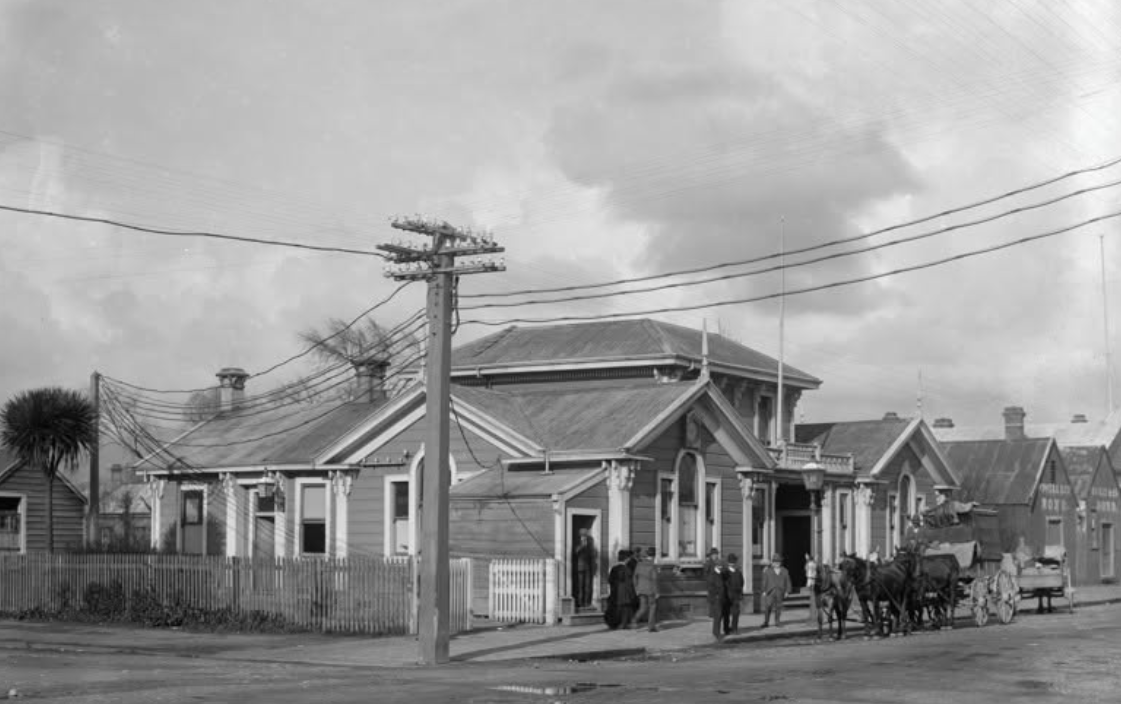 We think of hacking as a new thing. Like the British tabloids hacking phones or secretive hackers in back rooms breaking into computers.
But it’s been around a long time and New Zealand had its own scandal that led to accusations, lawsuits and even a select committee investigation. And this was in 1870. At the time telegraph was new. The telegraph system stretched from Invercargill to Auckland and had quickly become a source of news and communication. George Barton was initially a lawyer but his interest in journalism led him to become the editor of the Otago Daily Times. On October 3, 1870, in an article he claimed that the government was deliberately delaying telegrams coming to the Times until a summary of them was provided to opposition newspapers of the day who supported the government. He had been waiting on huge news. That Napoleon had been captured and imprisoned and Frances declared a republic. It was important international news. A ship was bringing the newspapers which would be turned into telegraphs to send to the newspapers of the country. Barton said the telegraph to the ODT was delayed while the news went first to one of its rivals. It caused outrage and accusations flying. Then it led to a criminal prosecution against Barton for libel. He was committed for trial and then resigned his position with the paper. After which the criminal trial was withdrawn. But that wasn’t the end of it. The staff at the Otago Daily Times staff were even offered a pardon so they wouldn’t incriminate themselves giving evidence against Barton. Despite the charge not going ahead, Barton decided to countersue and brought a case against Charles Lemon who was then the general manager of the telegraph department. That too ended before it began - the case was thrown out. A parliamentary select committee was then appointed to look into it. Over a couple of months it took evidence and finally produced a report that exonerated the government, although it also told off a few ministers for minor things, like paying for personal telegraphs with business funds. Lemon went on to be in charge of the Telegraph office for 25 years and is known now as the man who designed the huge poles that the telegraph wires were on, called in the trade Lemon trees. He died on May 6, 1901 and is buried in the Otaki Public Cemetery. Photo from Te Papa’s collection. 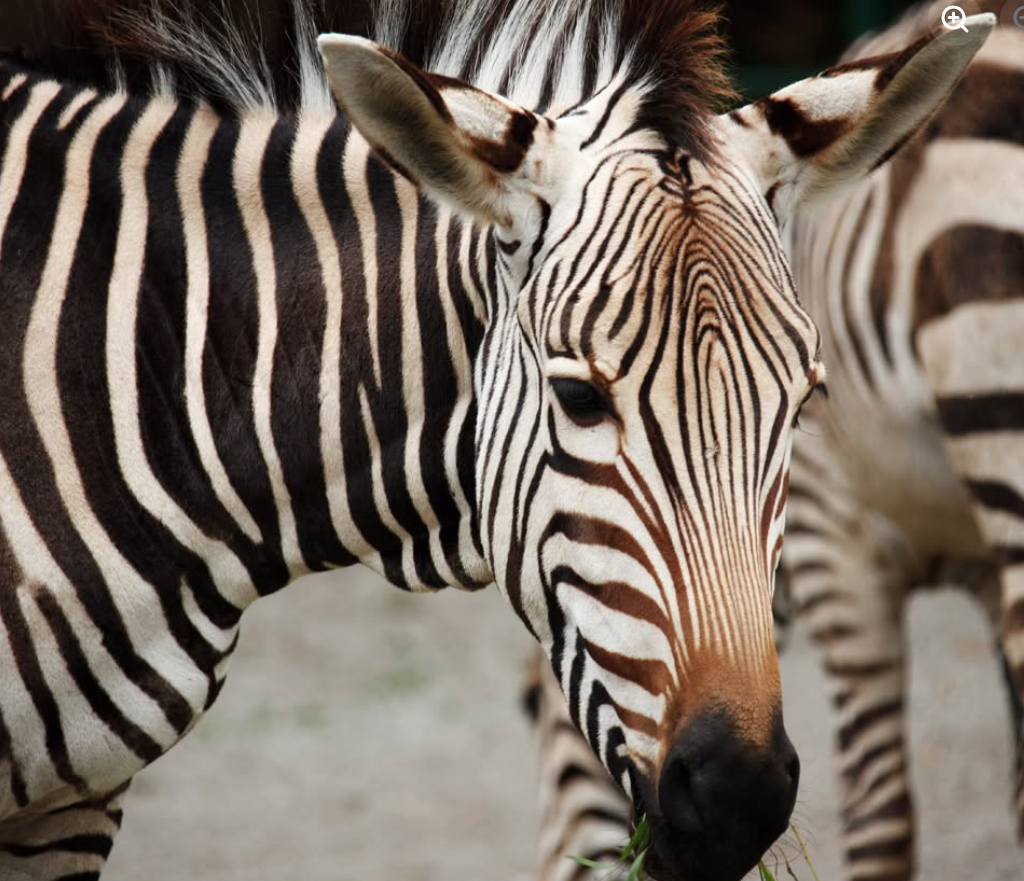 Imagine going for a Sunday walk and being passed by a buggy pulled by four zebras.
The first governor of New Zealand was Sir George Grey whose name exists on streets all over the country. But one of the things he is best known for is his weird obsession with importing exotic animals for his private island. George Grey was born in Lisbon, Portugal, in April 1812 just a few days after his father was killed in a war. After being educated in England and military service he became governor of South Australia in 1841. Coming to New Zealand in 1845 he became governor until 1848 when he took the same post in South Africa. He returned to New Zealand in 1861 and became governor again before being appointed Premier in 1877. On his return to New Zealand for his second term he bought Kawau Island in the Hauraki Gulf and lavished a great deal of his personal wealth on it. The island had been the home of a copper mine and the superintendent had built a large house which Grey took over and enlarged it. But it was his passion for animals and plants that led to him collecting exotics, including zebras that he liked to hitch to a buggy, four at a time and ride around the island. His menagerie included kangaroos, wallabies, antelopes, monkeys, zebras, gnu, emus, peafowl, Indian peacocks and kookaburras. At one point he had monkeys freely swinging from the trees. Along with such exotics he brought pheasants, Californian quail, turkeys and guinea fowl. His plan was that the island would be a paradise. He also took native species from the mainland to the island. Grey also brought many plants from overseas that had never been near New Zealand before, creating gardens on the island in European styles. A pair of Chilean Wine Palms - huge trees - still stand near the house. Also brought in were Moreton Bay figs, bamboos and oaks and elms from England. He also had a jetty built for his own boats. It was the oldest surviving jetty in the country. But animals were not the only thing he collected. Books and manuscripts were also something he coveted. He had French and Greek manuscripts and early editions of Chaucer and Yeats. His private letters included many from explorer David Livingstone. A fair amount of the plants survived but one of Grey’s greatest joys - the zebras - did not survive long. He lived on the island until late in his life - returning to England - where he died at his home in London in 1898 - and is buried in St Paul’s Cathedral. |
AuthorFran and Deb's updates Archives
September 2025
Categories |
 RSS Feed