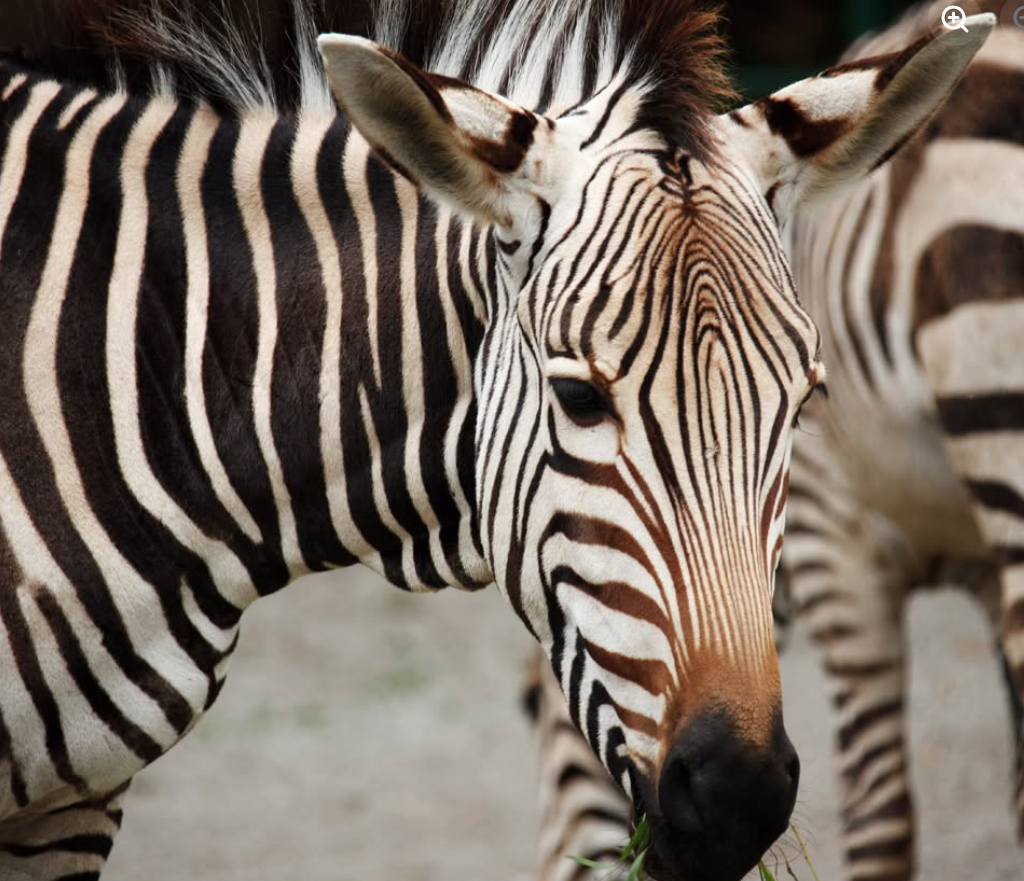
 Imagine going for a Sunday walk and being passed by a buggy pulled by four zebras.
The first governor of New Zealand was Sir George Grey whose name exists on streets all over the country. But one of the things he is best known for is his weird obsession with importing exotic animals for his private island. George Grey was born in Lisbon, Portugal, in April 1812 just a few days after his father was killed in a war. After being educated in England and military service he became governor of South Australia in 1841. Coming to New Zealand in 1845 he became governor until 1848 when he took the same post in South Africa. He returned to New Zealand in 1861 and became governor again before being appointed Premier in 1877. On his return to New Zealand for his second term he bought Kawau Island in the Hauraki Gulf and lavished a great deal of his personal wealth on it. The island had been the home of a copper mine and the superintendent had built a large house which Grey took over and enlarged it. But it was his passion for animals and plants that led to him collecting exotics, including zebras that he liked to hitch to a buggy, four at a time and ride around the island. His menagerie included kangaroos, wallabies, antelopes, monkeys, zebras, gnu, emus, peafowl, Indian peacocks and kookaburras. At one point he had monkeys freely swinging from the trees. Along with such exotics he brought pheasants, Californian quail, turkeys and guinea fowl. His plan was that the island would be a paradise. He also took native species from the mainland to the island. Grey also brought many plants from overseas that had never been near New Zealand before, creating gardens on the island in European styles. A pair of Chilean Wine Palms - huge trees - still stand near the house. Also brought in were Moreton Bay figs, bamboos and oaks and elms from England. He also had a jetty built for his own boats. It was the oldest surviving jetty in the country. But animals were not the only thing he collected. Books and manuscripts were also something he coveted. He had French and Greek manuscripts and early editions of Chaucer and Yeats. His private letters included many from explorer David Livingstone. A fair amount of the plants survived but one of Grey’s greatest joys - the zebras - did not survive long. He lived on the island until late in his life - returning to England - where he died at his home in London in 1898 - and is buried in St Paul’s Cathedral.
0 Comments
Leave a Reply. |
AuthorFran and Deb's updates Archives
September 2025
Categories |
 RSS Feed