 We think of hacking as a new thing. Like the British tabloids hacking phones or secretive hackers in back rooms breaking into computers.
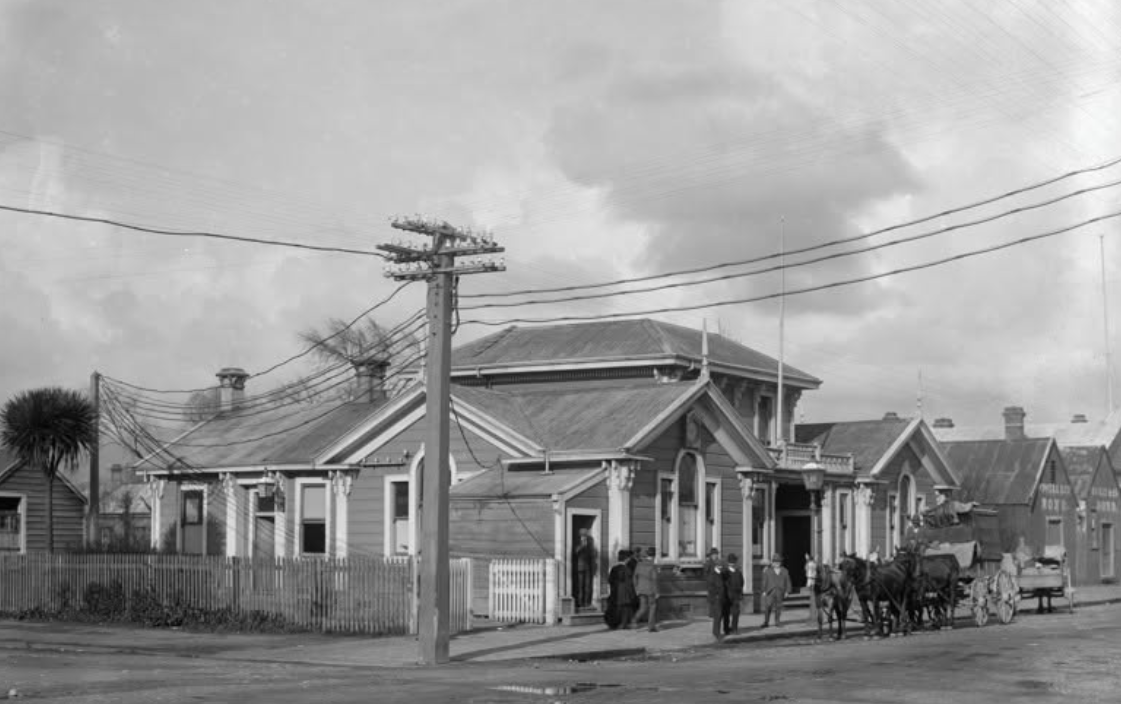
But it’s been around a long time and New Zealand had its own scandal that led to accusations, lawsuits and even a select committee investigation. And this was in 1870. At the time telegraph was new. The telegraph system stretched from Invercargill to Auckland and had quickly become a source of news and communication. George Barton was initially a lawyer but his interest in journalism led him to become the editor of the Otago Daily Times. On October 3, 1870, in an article he claimed that the government was deliberately delaying telegrams coming to the Times until a summary of them was provided to opposition newspapers of the day who supported the government. He had been waiting on huge news. That Napoleon had been captured and imprisoned and Frances declared a republic. It was important international news. A ship was bringing the newspapers which would be turned into telegraphs to send to the newspapers of the country. Barton said the telegraph to the ODT was delayed while the news went first to one of its rivals. It caused outrage and accusations flying. Then it led to a criminal prosecution against Barton for libel. He was committed for trial and then resigned his position with the paper. After which the criminal trial was withdrawn. But that wasn’t the end of it. The staff at the Otago Daily Times staff were even offered a pardon so they wouldn’t incriminate themselves giving evidence against Barton. Despite the charge not going ahead, Barton decided to countersue and brought a case against Charles Lemon who was then the general manager of the telegraph department. That too ended before it began - the case was thrown out. A parliamentary select committee was then appointed to look into it. Over a couple of months it took evidence and finally produced a report that exonerated the government, although it also told off a few ministers for minor things, like paying for personal telegraphs with business funds. Lemon went on to be in charge of the Telegraph office for 25 years and is known now as the man who designed the huge poles that the telegraph wires were on, called in the trade Lemon trees. He died on May 6, 1901 and is buried in the Otaki Public Cemetery. Photo from Te Papa’s collection.
0 Comments
Leave a Reply. |
AuthorFran and Deb's updates Archives
September 2025
Categories |
 RSS Feed