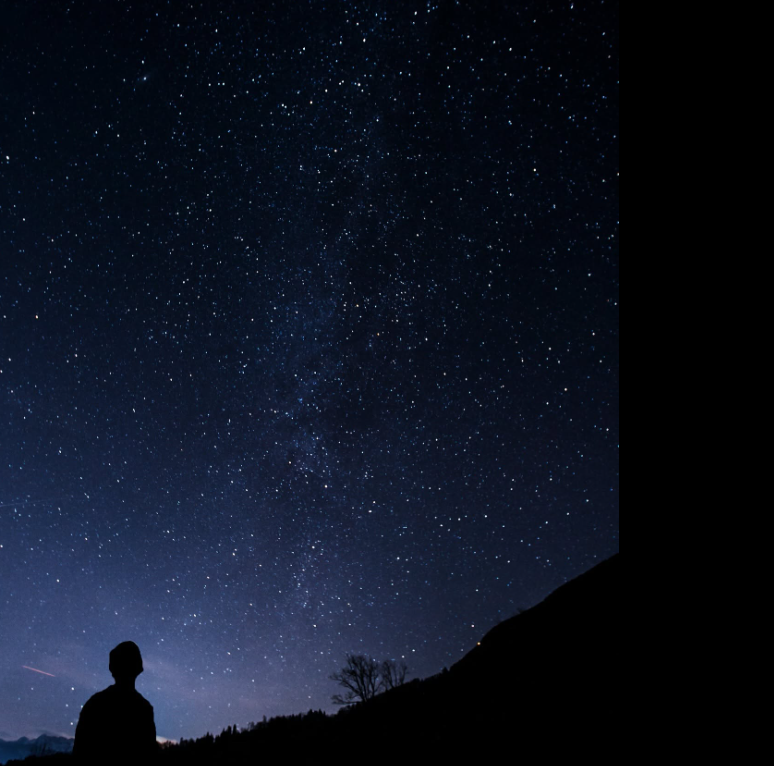
 Joseph Ward was a quiet man whose gaze was fixed on the stars.
On May 3, 1901, he was watching through a refractor - a type of telescope - when he saw, for the first time, a comet. In fact it was the first view of the Great Comet on 1901 in New Zealand. He showed it to several others who suggested he form a society of those interested in similar things. It would be the beginning of Joseph’s career as New Zealand’s pioneer telescope maker. Joseph was born in Chelsea, London on January 25, 1862 to Mary and Francis Ward. His intelligence was evident early and he received a good education aiming to him going in the Catholic priesthood. Instead, Joseph went to sea, working on a merchant ship until he migrated to New Zealand. He worked various jobs, as a shepherd and shearer then a saddler. He married Ada Evelyn Wright in 1894. By then he was already interested in astronomy and when the couple settled in Whanganui he set up his refractor in the back yard of his bookshop and stationery business. After the interest in the great comet he helped organise some public lectures and one featured Professor Richard Maclaurin from Victoria College talking about astronomy. Joseph then set up the Whanganui Astronomical Society and was elected president. One of the main aims was to set up an observatory. And they asked for a site in Cook’s Gardens. Joseph bought a refracting telescope from England for £450 which was installed in the new observatory and opened by Premier Richard Seddon in 1903. It is still the largest telescope of its type in the North Island. By 1926 the society gifted the observatory to the council to be held in trust for all citizens and it is now known as the Ward Observatory. Between Joseph and his assistant, local lawyer Thomas Allison, they began searching the southern sky for new double stars. In the course of the next six years they catalogued more than 200; unbeknown to Ward, some had previously been detected by others. However, 88 are recognised as 'Ward doubles' and appear with New Zealand Observatory listings in international double star catalogues, thereby serving as a memorial to Ward's international contribution to this specialised field of astronomy. He also observed sunspots, Mars and more comets. Joseph also began making mirrors for telescopes and many are still being used today. His largest mirror, was completed in 1924, and for more than 40 years remained the largest telescope made by a New Zealand amateur astronomer. Ward died of peritonitis in Wairoa on January 4, 1927, after becoming ill during a visit to a daughter. He is buried in Aramoho Cemetery in Whanganui. Photo by Klemen Vrankar.
0 Comments
Leave a Reply. |
AuthorFran and Deb's updates Archives
October 2025
Categories |
 RSS Feed