 Lighthouses are both romantic and tragic places. Often isolated and windswept, they might seem like a dream for those seeking escape from the world—but when something goes wrong, there is no one nearby to help. You just have to cope.
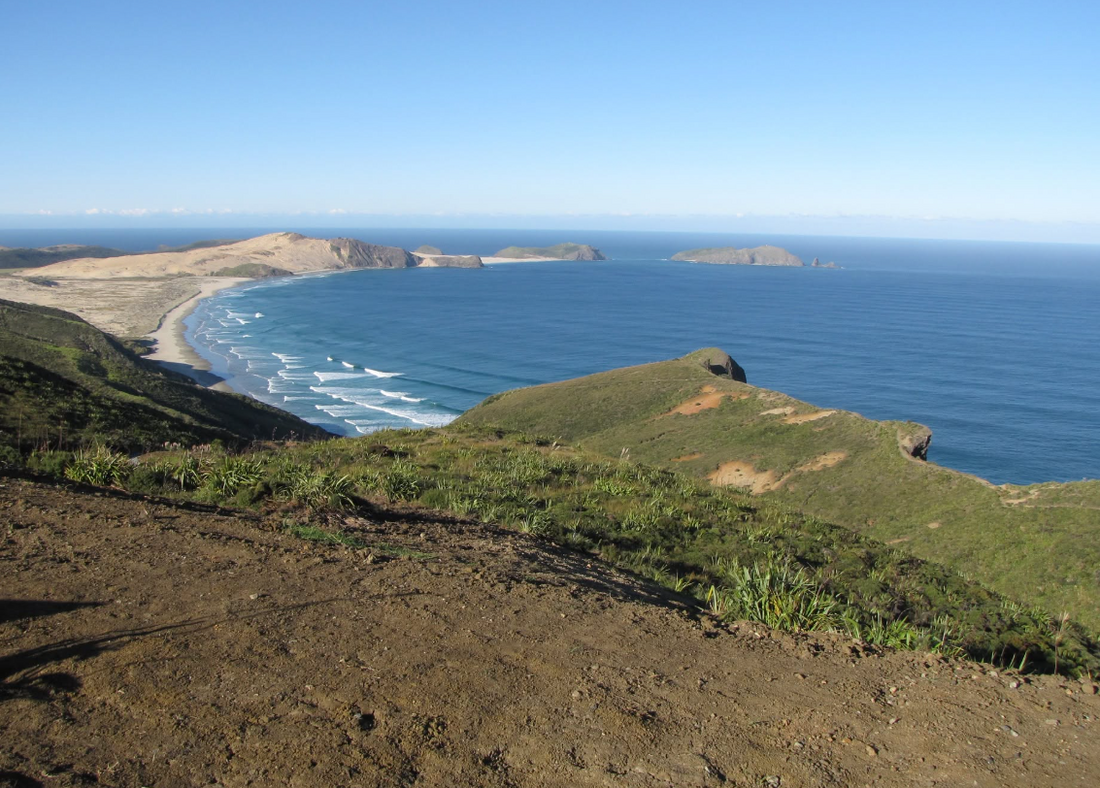
So it was with 12-year-old Donald Young, who found himself thrust into adult responsibilities when tragedy struck the small lighthouse community where he lived. His father was the head keeper on Motuopao Island, a lonely outpost off Cape Maria van Diemen at the northwestern tip of New Zealand’s North Island, just southwest of the spiritually significant Cape Reinga. The lighthouse had stood there since the 1870s, built to guard against the treacherous seas where the Tasman Sea meets the Pacific Ocean. Alongside it were a few weather-beaten homes for the staff and their families—sturdy structures built to endure constant salt spray, howling winds, and complete isolation. Living there in 1933 were Donald’s family, Henry and Minnie (Betty) Newson, and Frederick Gage with his wife Mary and their two children. Despite the era—well into the age of radio and steamboats—life on Motuopao remained primitive, reliant on sea-based supplies and good weather. When storms came, there was no leaving. There was only waiting. On October 14, 1933, Henry Newson, his wife Betty, and Frederick Gage went fishing on the rocks below the lighthouse. It was a common pastime and sometimes a necessity, supplementing food rations. But that day, the sea was in one of its darker moods. Betty noticed the massive wave first and cried out—but it was already too late. The wave crashed over them, sweeping all three into the churning water. Henry managed to reach Betty and pull her to shore, desperately trying to revive her with assisted breathing—what we’d now call CPR. But it was no use. She was gone. Frederick Gage, too, was lost to the sea. His body never recovered, only his memory held by those left behind. In the immediate chaos, 12-year-old Donald stepped forward. With the weight of grief all around him, he helped his father maintain the light, care for the surviving families, and manage daily operations until help arrived. Newspapers would later describe him as “doing the work of a man,” a tribute to his courage under unthinkable pressure. A steamer was dispatched from the mainland to collect Minnie’s body, but the sea refused to return Frederick. Mary Gage and her children had to leave without a chance to say goodbye. Henry Newson eventually remarried in 1935 and lived until 1975. But Motuopao Island changed forever after that day. The lighthouse, once a symbol of safety, now also stood as a quiet monument to loss. In 1940, the lighthouse was automated, and the last keepers left. Today, the island is part of a Department of Conservation nature reserve. The light still shines, but no one lives there now—only seabirds, salt air, and the silent stories of those who once called it home. Minnie was buried in Waikumete Cemetery.
0 Comments
Leave a Reply. |
AuthorFran and Deb's updates Archives
September 2025
Categories |
 RSS Feed