 Did you know that Kāpiti Island is actually the tip of a huge mountain?
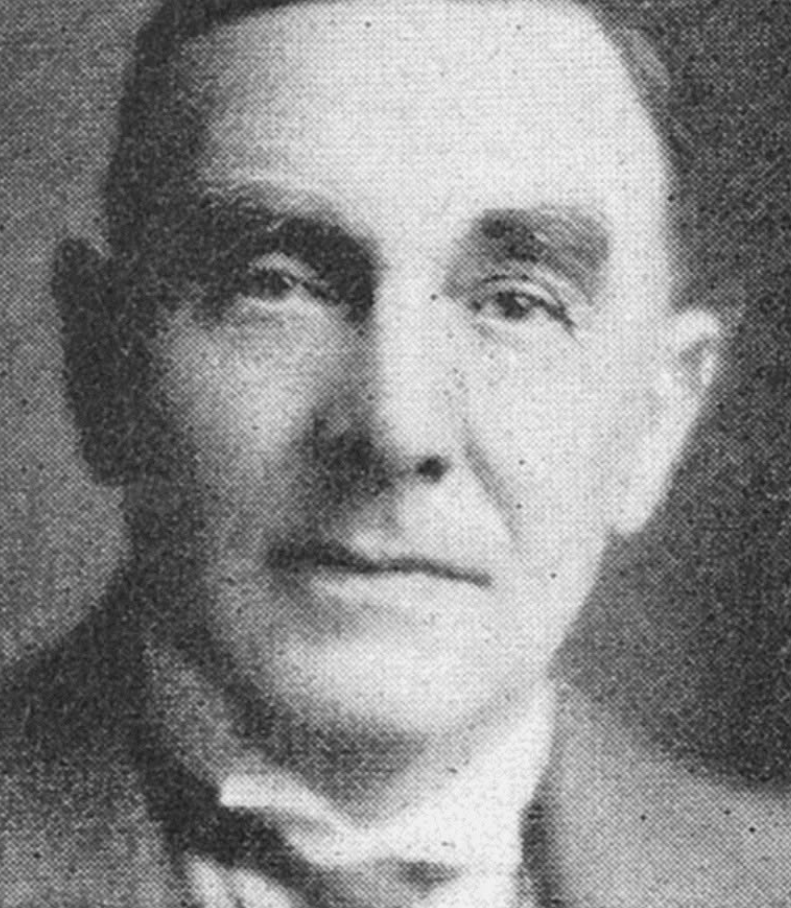
The island has been occupied on and off since Māori arrived in New Zealand, used by whalers and for a while was the centre of the flax trade. In 1870 it was identified as a possible nature reserve - although by then much of it had been deforested. Farmers also lived there, leasing the land from the Maori who owned it. The Kāpiti Island Public Reserve Act 1897 prohibited any further private sales of land on the island, and provided the basis for the island being acquired by the Crown, to be set aside as a nature reserve, with the exception of land still held by original Māori owners or their descendants. One of its fiercest protectors was Ernest Valentine Sanderson. We know him now as the founder of New Zealand Forest and Bird. Sanderson was born in Dunedin on February 8, 1866 the son of Jane Sanderson and William Walter James Spreat before the family moved to Wellington. It was Spreat’s behaviour that initially broke up the family and when they returned to live with him, he attacked Val as he was known and his brother Louis, ending up shot to death which was ruled a justifiable homicide. Val enlisted for the South African War and served before coming back to a clerking job. When his father’s estate was finalised he had enough money to start his own business, Magnus, Sanderson and Company. Initially they imported bicycles then moved into cars. When war was declared he tried to reenlist, lying about his age. He was eventually accepted and served as a quartermaster but only served seven months before becoming ill. He had married Emily Louisa Cooper in 1904 but by the end of the war he was estranged from her and they divorced. Sanderson was increasingly concerned about conservation and in 1921 he and the Evening Post newspaper went to the island. The resulting publicity about how badly off the island, with no fences for the reserve area or to protect it from the goats and sheep, was created a groundswell of support for better protection for the island. “We have robbed the birds of tremendous areas of bush on the mainland. Are we not patriotic enough to give them a last secure resting place on this small island, seven miles by one mile in area, in order that our children and children’s children may see and learn what New Zealand was really like when their daring forefathers first set foot in this land of ours?” he wrote in 1922.* Sanderson launched the New Zealand Native Bird Protection Society and built a membership of supporters and in 1935 renamed it the Forest and Bird Protection Society of New Zealand. He campaigned against things like soil erosion and the menace to our bush by deer. He married Nellie Milne in 1934 and set up home in Paekākāriki - from which he could watch Kapiti Island. Sanderson died on December 29, 1945 and was buried in the Otaki Public Cemetery. But even if his name is not as remembered anymore - his legacy - the Forest and Bird Protection Society continues. * From the Forest and Bird website.
0 Comments
Leave a Reply. |
AuthorFran and Deb's updates Archives
September 2025
Categories |
 RSS Feed