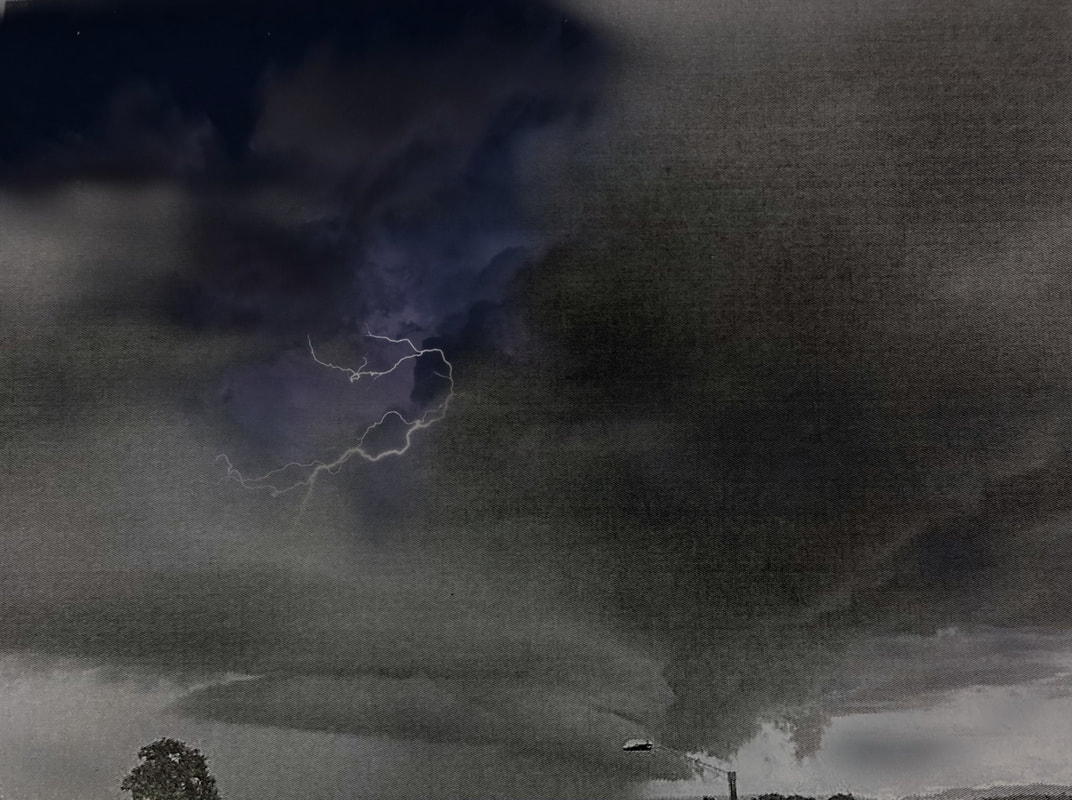
 As a wild storm bashed the country this week, some needed to be evacuated, some recorded snow in Wellington, roads were closed and people shivered.
New Zealand has had its fair share of horrible storms, with the collision of two storm fronts in 1968 sinking the Wahine ferry being one of the most memorable. But there have been plenty of others. In February 1938, it did not seem like there was a storm. The worker’s camp on the banks of the Waiau stream, in the Kōpuawhara Valley at Kaiangapiri near Mahia, set up for the workers on the Napier-Gisborne Railway line, was bedded down for the night when disaster struck. The stream was already in flood, but at 3am a huge wall of water five metres high carrying logs, rocks and bridge timbers, created by a cloudburst, swept through, taking most of the camp with it. In its aftermath 20 men and one woman had died. A workman, who was awake, Tom Tracey, 44, tried to warn the camp by banging on the cookhouse gong. He could have escaped but chose to stay and try to alert the camp. He tried running around the camp banging on doors but to no avail. He was swept away in the waters. Many tried to take refuge on the roof of their huts but the huts themselves were swept away by the force of the water. Only those who managed to get on to the roof of the cookhouse survived. One man, Frank Fry, 51, left the safety of the roof to look for 22-year-old Martha Quinn but was swept away. He is buried in Wairoa. The Cameron family, caterer Harold, his wife, daughter Joan and son Harold, 17, managed to escape, with Harold junior rescuing another man. Daughter Joan was saved by elderly Hugh McCorquodale who tied himself to a hut and held her above water for an hour. Five kilometres away was a second camp. They managed to survive because they had more time although a man camping nearby was killed. At an inquest, much inquiry was made about where the camp was placed. A railway engineer said he had considered the floodplain when he put the camp up and there was no sign of any flooding. The event was considered unprecedented. Two bodies, those of Ivan Martinac, 31, and Roderick Douglas Neish, were never recovered. Martha, a waitress in the cookhouse was the only woman to lose her life. A mass grave at the Wairoa Cemetery holds 11 of the dead. Martha is buried at Taruheru Cemetery in Gisborne where her parents lived. A huge amount of damage was done to bridges, lands and roads totalling well over $5 million in today’s terms.
0 Comments
Leave a Reply. |
AuthorFran and Deb's updates Archives
September 2025
Categories |
 RSS Feed